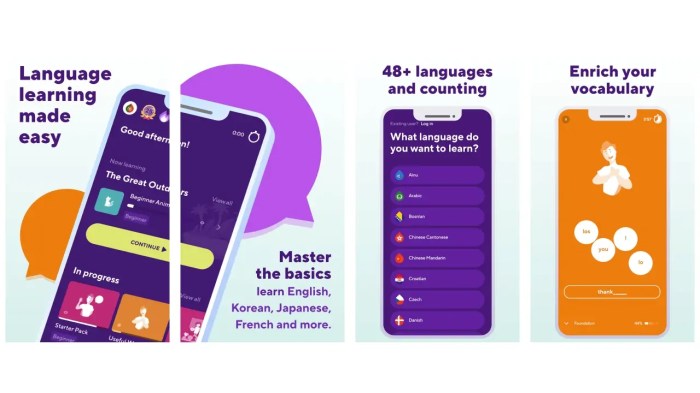
Auto-learned language apps are transforming the way we acquire new languages, merging technology with education in a seamless and engaging manner. By leveraging advanced algorithms and personalized learning experiences, these apps cater to individual preferences and learning styles, making language acquisition more accessible than ever.
From gamified experiences that keep users motivated to innovative tools that track progress, auto-learned language apps provide a modern approach to learning that contrasts sharply with traditional methods. As they evolve, these applications promise not only to enhance learning outcomes but also to redefine the landscape of language education.
Overview of Auto-Learned Language Apps
Auto-learned language applications leverage advanced technology to facilitate language acquisition through interactive, personalized experiences. These apps utilize algorithms that adapt to individual learning styles and paces, making it easier for users to engage with new languages in a meaningful way. By combining techniques such as spaced repetition and adaptive learning, these applications provide tailored content that caters to each learner’s unique needs.The benefits of using auto-learned language applications are substantial.
Users can learn at their own pace, access materials anytime and anywhere, and enjoy a variety of multimedia resources that traditional language learning may lack. Moreover, many of these apps offer immediate feedback, allowing learners to correct their mistakes in real time and track their progress effectively.Key features that set auto-learned language apps apart from traditional methods include gamification elements, immersive learning experiences, and social interaction opportunities.
Gamification, for instance, turns learning into a fun and engaging process, encouraging users to complete lessons and earn rewards. These elements create a more dynamic learning environment compared to conventional classroom settings.
Educational Benefits of Language Apps
Auto-learned language apps significantly enhance learning outcomes by providing interactive and engaging content that promotes retention and comprehension. One of the standout features of these apps is gamification, which infuses elements of play into the learning experience. This approach not only makes learning enjoyable but also increases user engagement and motivation, leading to more effective language acquisition.The accessibility of language apps further caters to diverse learning styles and needs.
For instance, visual learners benefit from videos and images, while auditory learners can engage with audio lessons. Additionally, the flexibility of these apps allows users to customize their learning paths, ensuring that everyone can progress according to their unique preferences.
Challenges and Limitations of Language Apps
While auto-learned language apps offer numerous advantages, potential pitfalls do exist. One common issue is the lack of personalized interaction, which can lead to feelings of isolation among learners. Furthermore, some users may experience frustration due to technical glitches or limited content coverage, hindering their overall learning experience.To address these frustrations, developers are continually updating and improving app functionality. Users can also benefit from participating in online forums and communities where they can seek help and share their experiences with peers.
However, there are contexts where language apps may fall short compared to traditional learning environments, such as in-depth conversational practice or cultural immersion.
Educational Trends and Innovations
Recent trends in language education technology highlight a shift towards more interactive and personalized learning experiences. Innovations such as artificial intelligence and machine learning are reshaping how auto-learned language apps function, making them increasingly responsive to individual users’ needs. These advancements suggest a future where language learning is more adaptive and intuitive.Auto-learned language apps are rapidly changing the landscape of education, offering users a blend of convenience and flexibility that traditional methods often lack.
A comparison of various apps available in the market reveals a diverse range of features, from speech recognition capabilities to community-driven learning, providing users with numerous options to suit their preferences.
Integration in Formal Education Settings
Incorporating auto-learned language apps into classroom settings requires strategic planning. Educators can enhance their teaching methodologies by integrating these applications into their curricula, thereby fostering a blended learning environment. The framework for effective utilization may include setting specific learning goals, aligning app content with educational standards, and encouraging collaborative projects among students.Case studies have demonstrated successful integration of language apps in various educational settings.
For instance, schools that combined app usage with traditional teaching methods reported increased student engagement and improved language proficiency, showcasing the potential benefits of this innovative approach.
Education-themed Terminology
The concept of ‘Education Queen’ in language learning refers to the pursuit of mastery through diverse and effective educational strategies. This idea emphasizes the importance of adapting teaching methods to cater to different learners’ needs and preferences, ensuring that each student can thrive.On the other hand, ‘Education Delightful’ captures the essence of user experience in language apps. It highlights how elements of joy and satisfaction in learning can significantly enhance retention and motivation.
Understanding this concept is crucial for developers aiming to create more engaging language-learning materials.Conversely, the notion of ‘Education Trap’ illustrates the potential pitfalls that learners may face when reliant on language apps. This includes becoming too accustomed to technology and neglecting essential conversational skills that require real-life interactions. Awareness of these implications is vital for balancing app use with traditional learning experiences.
Creative Approaches to Language Learning
An innovative lesson plan using auto-learned language apps could incorporate the term ‘Education Chop’ by focusing on breaking down complex language structures into manageable parts. This approach allows learners to tackle difficult concepts in a way that feels less overwhelming, thereby enhancing comprehension.To ‘Education Destroy’ common language learning barriers, technology can offer interactive simulations and real-life scenarios that encourage learners to apply their skills in practical situations.
This immersive experience can significantly reduce anxiety associated with speaking a new language.Techniques to ‘Education Skip’ repetitive learning patterns may involve utilizing adaptive learning algorithms that adjust the difficulty level based on user performance. By personalizing the learning journey, students can avoid monotonous drills and instead focus on areas that require improvement.
Engaging with Language Learning
To ‘Education Grate’ experiences in language learning, personalization through app features can significantly enhance user satisfaction. By tailoring content to fit individual interests and goals, learners are more likely to remain engaged and motivated.Identifying ways to ‘Education Faint’ misconceptions about language learning effectiveness with technology involves emphasizing success stories and data-driven results. These narratives can help dispel doubts about the efficacy of language apps, reassuring users of their potential benefits.Creating engaging interactions through ‘Education Comb’ strategies can foster collaborative learning.
By integrating social features within language apps, users can connect with peers, engage in discussions, and participate in group activities, making the learning process more interactive and enjoyable.
Fun and Innovative Learning Methods
‘Education Zany’ methods can transform language learning into a fun experience using apps. For example, integrating playful challenges and quizzes can make the process enjoyable, encouraging learners to explore new vocabulary and grammar in a light-hearted manner.Unique ‘Education Twist’ techniques involve employing unexpected teaching methods, such as using music or storytelling to enhance retention of language skills. These creative approaches can significantly augment the learning experience, making it memorable and effective.Finally, the concept of ‘Education Elbow’ relates to peer learning dynamics in language apps.
By facilitating group interactions and collaborative tasks, learners can benefit from each other’s strengths and insights, promoting a supportive learning environment that enhances overall language proficiency.
Performance and Progress Tracking
Designing a system for users to ‘Education Whip’ their language learning progress involves utilizing app features that provide regular assessments and feedback. These tools can empower learners to visualize their advancements and identify areas that require further attention.Feedback loops play a crucial role in language apps, serving as motivators that help users stay on track. By receiving timely evaluations and encouragement, learners are more likely to remain committed to their language acquisition journey.To organize categories for tracking achievements and milestones within language learning apps, developers can implement clear goal-setting features.
This could include badges for completing levels, progress bars for skill acquisition, and personalized reports that celebrate user accomplishments.
Final Conclusion
In summary, auto-learned language apps are setting the stage for a new era in language education, combining technology and creativity to foster effective learning experiences. By addressing the challenges of conventional methods and embracing innovations, these apps not only enhance engagement but also ensure that learning remains fun and enjoyable. As we continue to explore their potential, it’s clear that the future of language learning is here, and it’s digital.
Top FAQs
What are auto-learned language apps?
They are applications that utilize advanced technology to facilitate language learning through personalized experiences and engaging content.
How do these apps enhance learning outcomes?
They provide tailored learning paths, interactive exercises, and gamification elements that keep users motivated and connected.
What are some common frustrations users face with language apps?
Users may struggle with inconsistent progress tracking, limited content variety, or lack of real-life conversational practice.
How can educators effectively integrate these apps in classrooms?
By aligning app features with curriculum goals and encouraging collaborative learning experiences among students.
Are auto-learned language apps suitable for all age groups?
Yes, many apps are designed to accommodate diverse age ranges and learning needs, making them accessible to everyone.


